Hertha Metals Initiates $100 Million Plant to Enhance US Magnet-Grade Iron Production
Hertha Metals has commenced construction on a $100 million facility in Texas, targeting domestic production of high-purity iron for rare earth magnets crucial to various industries.
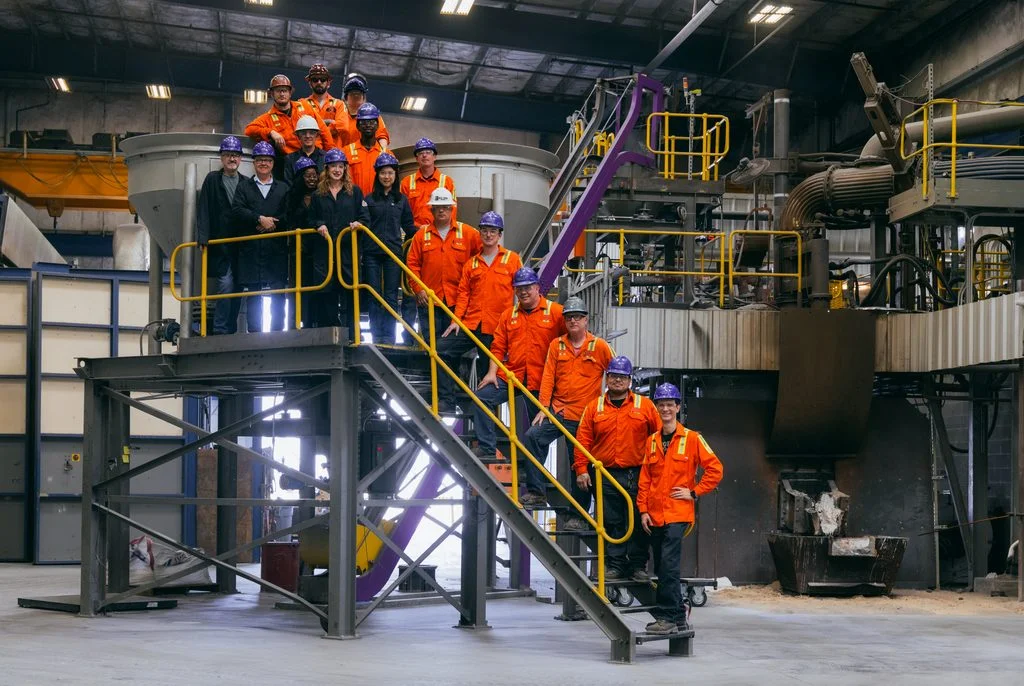
Hertha Metals has officially begun construction on its first commercial facility, the Hertha Chalyx, located in Conroe, Texas. This ambitious endeavor is projected to yield approximately 10,000 metric tons annually of high-purity iron destined for both steel and magnet-grade applications. The facility will serve as a cornerstone in the company's strategy to reshape the U.S. iron and steel landscape.
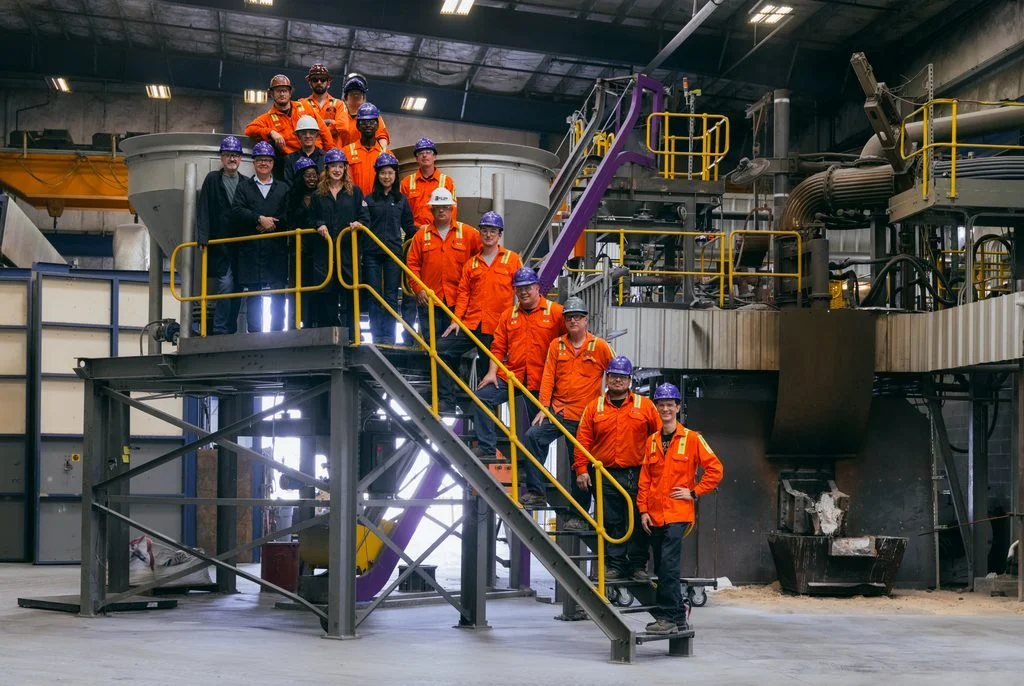
Adjacent to Hertha's existing Pi100 pilot plant, the Chalyx facility marks a significant step towards establishing a modern iron and steel innovation complex within the United States. The company aims to implement and refine its proprietary processes for producing primary iron and steel, leveraging domestic resources and materials to fortify the nation's manufacturing capabilities.
The Chalyx plant is strategically designed to use locally sourced iron ore, primarily from Minnesota's Iron Range, and will be powered by natural gas from Texas. This domestic sourcing aligns with a broader industry trend aimed at reducing reliance on international supply chains, particularly in the face of ongoing supply chain vulnerabilities heightened by geopolitical tensions.
With an estimated construction cost of around $100 million, the project is backed by Hertha's successful $133.65 million Series A funding round, which included a notable $65 million equity investment from the U.S. government. Such support underscores the federal interest in bolstering domestic production capabilities in critical material sectors.
Jennifer Jett, Chief of Staff to the Under Secretary of War for the Economic Defense Unit, highlighted the importance of this investment, stating, “This investment today in Hertha Metals shows what economic defense looks like in practice: moving early against a strategic choke point, crowding in private capital, safeguarding our taxpayer resources through a disciplined equity structure and building domestic capacity before supply chain disruption becomes a crisis.” This commitment to economic defense reflects an increasing recognition among policymakers of the need to secure domestic sources of strategic materials.
Addressing Domestic Supply Chain Gaps
Hertha's initiative is particularly significant given the current market landscape in the rare earth magnet supply chain. The U.S. has increasingly focused on decreasing its dependence on China for essential materials. Currently, about 94% of high-purity iron used for producing neodymium iron boron (NdFeB) magnets, which are critical to sectors like electric vehicles, renewable energy (wind turbines), data centers, robotics, and defense systems, is sourced from China. Hertha aims to fill this substantial gap and enhance U.S. autonomy over its strategic materials supply chain.
As part of its innovative approach, Hertha Metals is advancing a patented method known as FLEXHERS, or flexible fuel hydrogen electric reduction smelting. This process combines electric arc furnace technology with either natural gas or hydrogen, facilitating the production of high-quality iron and steel. By tapping into flexible fuel sources, Hertha is poised to lead the evolution toward cleaner production methods in a traditionally heavy industrial sector.
In an encouraging development, Hertha's efforts at the Pi100 pilot plant recently achieved a purity level of 99.95%, which aligns with the stringent specifications demanded by leading U.S. magnet manufacturers. This achievement places the company in the supplier qualification phase with major producers, setting the stage for significant market access once the Chalyx facility commences operations.
Future Projections and Industry Impact
The operations at the Chalyx facility are expected to become operational by late 2027, with commercial production of magnet-grade high-purity iron anticipated to initiate in early 2028. CEO Laureen Meroueh emphasized the strategic importance of this development, stating, “With Chalyx, we take the next step: proving the business and demonstrating that our technology can deliver commercially.” She further added that successful operations at Chalyx will pave the way for Hertha's ambitious plan to establish a larger steel mill with a capability of producing up to 500,000 tons per year.
This trajectory suggests a notable shift in the iron and steel market dynamics in the U.S., where domestic production for critical materials is increasingly essential. As Hertha Metals positions itself at the forefront of this transformation, it potentially sets a precedent for other companies in similar domains to enhance their sustainability and operational independence.
The movement toward domestic capacity building is not merely a business venture for Hertha; it holds broader implications for U.S. economic security and technological advancement in key industries. Investors and stakeholders should remain attentive to the progress of the Chalyx plant and the evolving landscape of the U.S. materials sector as it seeks to achieve long-term resilience against external supply shocks.