Westwin Elements to Invest $502 Million in New Nickel Refinery in Mississippi
Westwin Elements plans a $502 million nickel refinery in Mississippi, aimed at boosting U.S. mineral processing capacity and creating high-paying jobs.
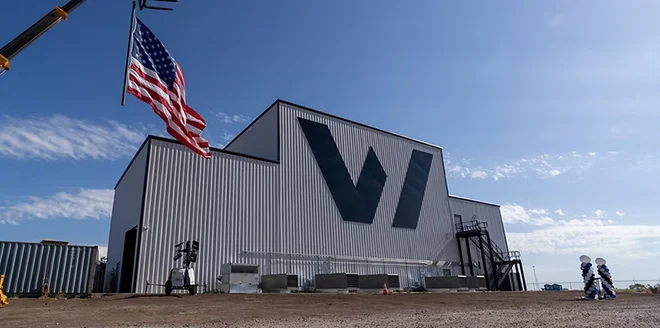
Westwin Elements has announced a significant investment of $502 million aimed at establishing a large-scale Class 1 nickel refinery at the Belwood Industrial Site in Natchez, Mississippi. This initiative, unveiled on Monday, is part of a broader strategy to enhance America's domestic critical mineral refining capabilities, a move seen as essential for strengthening the U.S. supply chain.
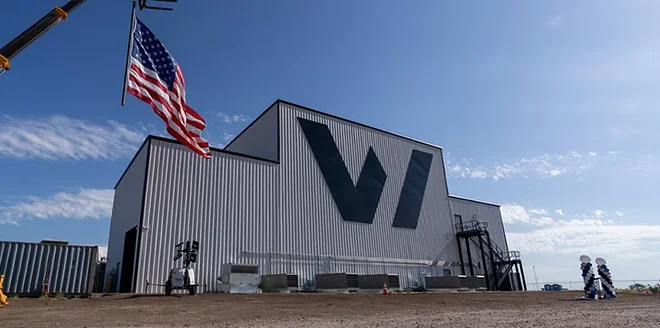
The investment is poised to build on the company's existing infrastructure and expertise, particularly drawing from its 20-tonne-per-year demonstration plant located in Lawton, Oklahoma. That facility has successfully completed multiple production campaigns of Class 1 nickel powder using advanced nickel carbonyl refining technology. This technology, known for its efficiency in producing high-purity nickel, positions Westwin favorably as it seeks to scale operations.
Project Scope and Timeline
According to Westwin, the first phase of the Natchez project aims to produce 18,000 tonnes of Class 1 nickel annually, with the refinery's commissioning expected by 2029. The timing aligns with increasing demand for high-purity nickel, especially from industries such as renewable energy, defense, aviation, and advanced manufacturing.
The company has made considerable progress to prepare for this endeavor: it has completed a Bankable Feasibility Study for the Natchez site and has secured a long-term lease at the Belwood location. Such groundwork minimizes investment risk and illustrates the project’s viability.
Partnerships and Market Demand
To support the anticipated production levels, Westwin Elements has already established binding feedstock and offtake agreements. These agreements foster a reliable pathway for both supply and revenue, which is essential for early operational success when the refinery begins production. By ensuring consistent access to raw materials, Westwin is mitigating one significant risk factor often associated with new industrial projects.
In making this strategic move, Westwin addresses not only market needs but also national goals. High-purity Class 1 nickel is crucial in national defense, aerospace applications, specialty alloys, and the energy sector. Currently, U.S. industries largely depend on foreign processing for their nickel supplies, which creates vulnerabilities in critical supply chains. By enhancing domestic refining capabilities, Westwin aims to reduce this dependence, fostering a more self-sufficient economy.
Economic Impact and Job Creation
Beyond the technical aspects of refining, this project is also expected to have significant economic ramifications for the region. Westwin anticipates creating 134 full-time positions during the first phase of commercial operations. The average salary for these roles is projected to be around $84,000 per year, indicating not just an influx of jobs but also high-quality employment opportunities that can uplift the local economy.
CEO KaLeigh Long emphasized the company's mission to "deliver a win for the West and restore the blue-collar American dream by bringing a critical industry back home." This rhetoric suggests a commitment not just to profits, but also to community building and local workforce empowerment.
Infrastructure and Logistical Advantages
The Belwood site is strategically positioned, offering essential infrastructure and logistical advantages that will facilitate commercial-scale production. Notably, its close proximity to Natchez’s inland port allows for efficient transportation routes and easy access to wider transportation networks serving the region. This logistical positioning could further enhance operational efficiency and reduce transportation costs, an advantage in today's supply chain-sensitive environment.
Market Context and Future Outlook
In the broader context, the investment in the Natchez nickel refinery aligns with global trends emphasizing the importance of local resource processing. Many industries are recognizing that minimizing dependence on imports for critical minerals, especially those used in emerging technologies, is vital for economic stability and competitiveness. As nations navigate geopolitical tensions that can impact supply chains, the establishment of domestic refining capabilities appears increasingly strategic.
In conclusion, Westwin Elements' $502 million investment in a Mississippi nickel refinery is not just a business initiative, but a pivotal move toward enhanced domestic mineral processing. With the foundation laid for operational success and strong market positioning, this project could represent a significant leap forward for the American manufacturing sector.


