Gender Disparity in Australian Mining Leadership: A Call for Change
Despite representing 23% of the mining workforce, women hold only 12% of executive roles in Australia's mining industry, highlighting significant leadership gaps.
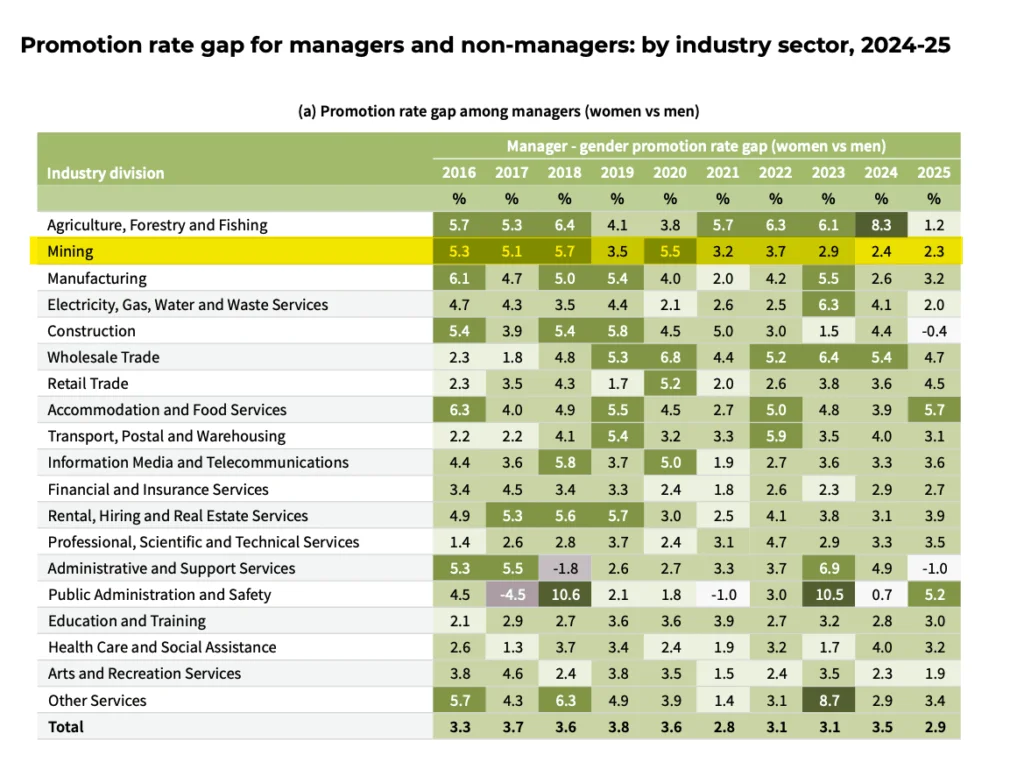
In the Australian mining sector, women continue to face substantial barriers in advancing to leadership roles, holding only 12% of chief executive and head-of-business positions, while constituting 23% of the workforce overall. This discrepancy suggests a serious leadership gap that recent findings indicate could hinder both talent retention and overall business performance.
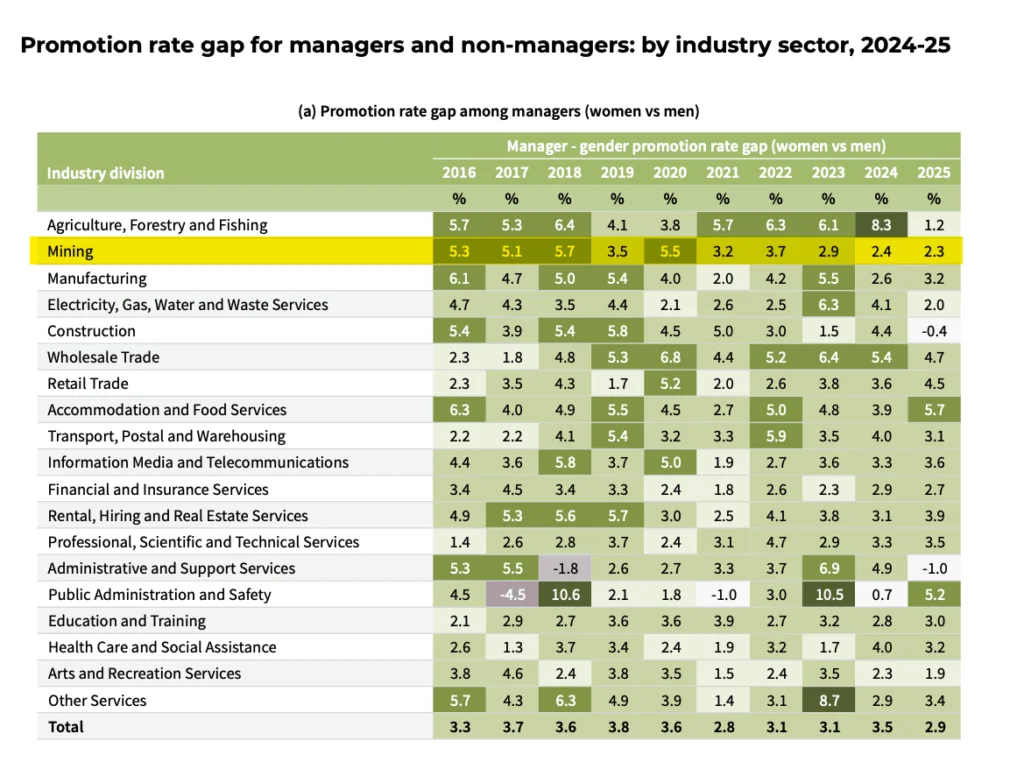
The report titled Gender Equity Insights 2026: Unlocking Australia’s Workforce Potential, a collaborative effort between the Bankwest Curtin Economics Centre (BCEC) and the Workplace Gender Equality Agency (WGEA), reveals that as of the 2024-25 period, women comprised just 24% of management roles and 25% of senior management in the mining industry. This sharp decline in representation at the executive level raises pressing questions about succession planning, career development, and the barriers that prevent qualified individuals from attaining top management roles.
One significant observation from the report highlights that while women progress into management at a higher rate—0.7% compared to 0.5% for men—their advancement to the highest leadership tiers lags. BCEC director Alan Duncan pointed out, “Promotion rates tell us who is taking the next step. We also need to understand who keeps progressing through successive leadership tiers – and who stays.” This underscores the need for mining companies to reflect on how they nurture female talent and the systemic issues blocking progress.
Exposing the Pay Divide
The mining industry also plays a considerable role in perpetuating Australia’s gender pay gap. According to the report, the concentration of male employees in the mining sector alone contributed an estimated A$2,950 to the national remuneration gap, with an additional A$875 due to salary discrepancies within the industry. Although the figures are modelled approximations rather than exact pay differences, they nonetheless highlight the systemic issues affecting female employees.
In Western Australia, where mining is a dominant industry, full-time remuneration for women revealed a significant gender pay gap of 28.8% in 2024-25, a decrease from 32.1% two years earlier. This figure is still notably above the national average pay gap of 21%, indicating that the mining sector has a considerable way to go in addressing gender inequity.
The research indicates a correlation between female leadership and enhanced financial outcomes. Companies listed on the Australian Securities Exchange that ranked in the top quartile for women’s board representation demonstrated better business performance in 28% of measured company-years, while only 18% of those in the lowest quartile performed comparably. Additionally, appointing a female CEO was linked to a potential A$119 million increase in market value for companies with median assets, lending a commercial argument for mining companies to reevaluate their leadership structures.
Barriers to Flexibility
Another critical challenge identified in the report is the lack of access to flexible management roles, particularly for women balancing career and caregiving responsibilities. While over 90% of Australian organizations offered flexible working hours in 2024-25, only 13.2% designed management positions to be part-time. This mismatch can result in qualified women leaving the workforce, as anecdotal evidence suggests a resignation rate of 13.8% among female managers compared to 12% for their male counterparts, possibly negating progress made through recruitment and promotions.
BCEC senior research fellow Silvia Salazar remarked, “Offering part-time work is very different from designing senior jobs that can actually be done part-time.” Without creative solutions that accommodate the need for work-life balance, the leadership pipeline in mining may continue to shrink precisely when it should be expanding.
The report includes 12 actionable recommendations for employers to bridge this leadership gap. Key suggestions include monitoring recruitment and promotion statistics, actively addressing remuneration imbalances, and fostering clearer pathways to senior operational and financial positions. Additionally, the report advocates for developing part-time or job-sharing management roles and understanding how flexible work arrangements may impact promotion trajectories.
In an industry where women still make up only 32% of professionals and a mere 11% of technicians and trades workers, the challenge is compounded by the need to better identify and mentor future leaders. As WGEA CEO Christine Castley put it, employers should focus not just on recruitment but on understanding where women drop off in their career progressions. “Good workforce data can show employers where talent is progressing, where it is being lost and where they may be overlooking capability they already have,” Castley advised.
The findings and recommendations laid out in the report raise crucial considerations for mining companies as they grapple with underrepresentation and navigate the ongoing conversation about gender equity in leadership. Without deliberate action, this sector risks falling behind its potential, limited not just by a lack of women in executive positions but also by the systemic barriers that prevent skilled individuals from reaching the top tiers of management.